
Essential Guide to Property Management Accounting Best Practices

With reliable cloud-based software like Rentvine, you can make your bookkeeping efforts easier and more efficient. With an organized financial record, you can easily identify potential financial risks to your business and resolve them early and strategically. Track deductible expenses (like repairs and marketing) to save on taxes. This keeps the chart clean and still lets you run reports by property. They can provide a high-level overview to investors or can be extremely detailed for your monthly HOA meetings.
✅ Integrate with Your Property Management Software
- Train them on your accounting software and audit entries regularly until you’re satisfied with their accuracy and compliance.
- Now, you may wonder how you can truly grasp this concept of charts of accounts.
- Best practices for businesses managing multiple properties include tracking equity for each property separately.
- The chart of accounts is your trusty scribe, ensuring that when tax time rolls around, you have accurate financials ready to roll.
- At that time, the landlord provides a reporting of all the expenses incurred during the year.
- Misclassifying them as income can lead to inaccurate financial reports and tax issues.
- Today is the perfect time to streamline your property management processes and take control of your finances with Rentvine’s powerful solutions.
When it comes to your primary accounts, there are a small collection of accounts that everything in your business will fit into. Instead, it’s often easier to start from scratch and use a custom template designed for your business. Keep in mind, though, that those templates are too general for some types of businesses, to where they need to make inordinate adjustments to get them to be workable. Join property operators using modern tools to save time, cut costs, and grow faster.
Tax Preparation for Property Managers
A common first step for new property managers is to open a separate business bank account. This approach is essential for clear and organized financial tracking. Each account records a type of income, expense, asset, debt, or equity. It helps property managers https://www.bookstime.com/ sort rent, repairs, deposits, fees, and more.
Managing Assets and Liabilities

Every property manager needs to know three core reports that tell the story of their properties. This structured approach helps you track by property, see trends and issues quickly, make accurate owner distributions, scale your business, and comply. Property managers using advanced accounting systems have higher net operating income expectations and spend less time on manual tasks.

Join Our Real Estate Business Network
Strong financial management practices closely relate to how well you set up your chart of accounts, as outlined by experts in structuring a real estate chart of accounts for success. By keeping revenue categories distinct, you make tax preparation more straightforward and improve your ability to spot under- or overperforming assets. Adopting these methods also aligns your records with industry standards for real estate financial reporting.
- This allows you see with more clarity at where your rental property income and expenses are coming from.
- There are just fewer steps to the transactions if you remove/change the accounts now.
- Be specific and detailed, including accounts for rent, maintenance costs, utilities, and property taxes.
- Whether you’re managing a few single-family rentals or overseeing a large multifamily portfolio, your chart of accounts for rental property needs to be built with real estate in mind.
- The IRS also requires that you keep all essential financial records for at least three years.
Setting Up Your Property Management Accounting
Investing in property management software like DoorLoop can help streamline operations and reduce manual errors as your business expands. Managing rental properties requires organized financial tracking, and QuickBooks offers powerful tools property management accounting to streamline your accounting processes. Setting up a proper chart of accounts in QuickBooks helps you track income, expenses, and profitability for each rental property while maintaining accurate financial records. Managing rental income and expense accounts efficiently is crucial for the success of any real estate company. Landlords can make informed decisions about their investments by accurately tracking income and expenses through a customized chart of accounts designed specifically for rental properties.
- Security deposits, rent in transit, and maintenance reserves all need to be kept separate and tracked.
- As portfolios grow and compliance gets more complex, manual methods become more and more risky and time-consuming.
- Finally, stay compliant by making use of GAAP accounting principles and train your staff on proper accounting procedures to maintain consistency and accuracy.
- For example if a property management company receives a bill for $500 in maintenance services this is recorded as accounts payable until it’s paid.
- Don’t be afraid to customize your chart of accounts for your business.
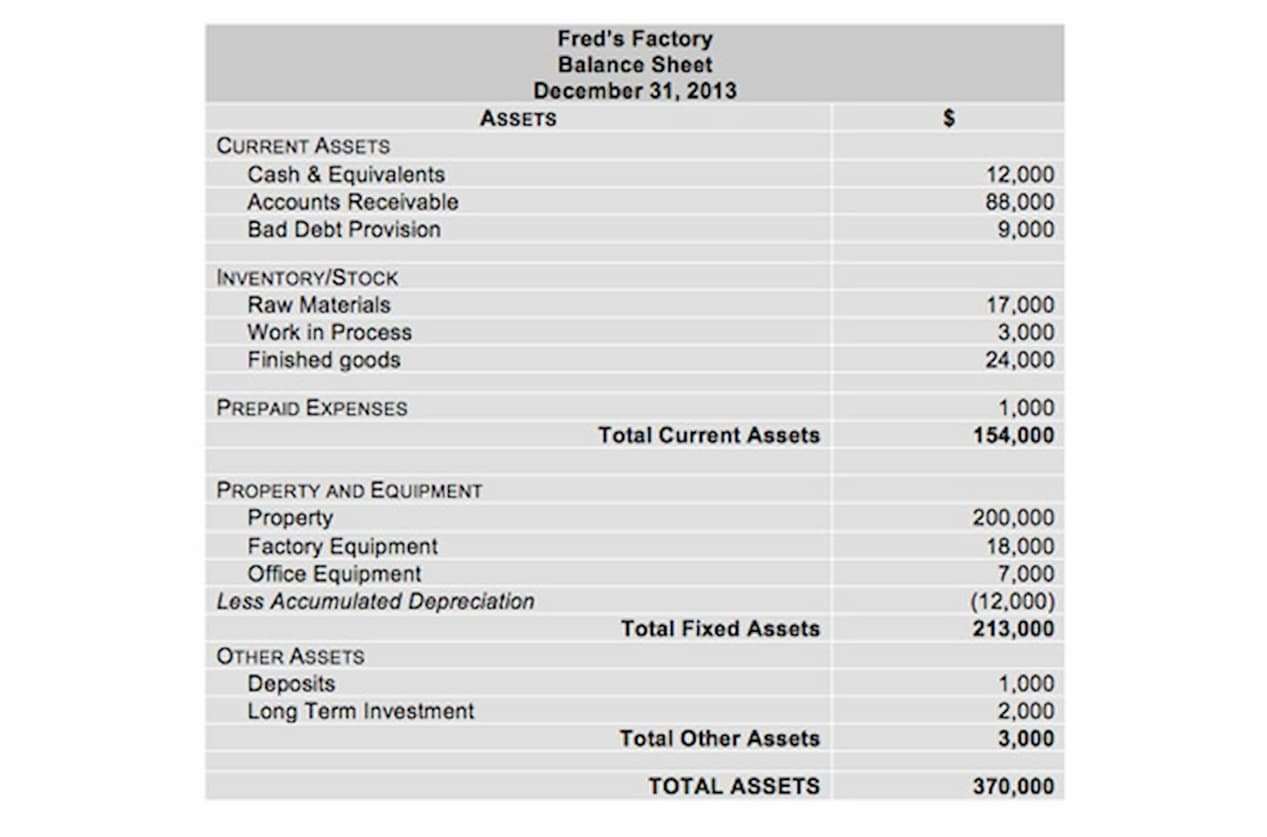
For that reason, having a well-organized chart of accounts Accounting Errors is also vital for obtaining business financing and investors. Both lenders and investors will want to see that you know how to organize your financials and that your business is healthy (and growing). A chart of accounts allows you to run important reports such as your balance sheet and profit and loss (P&L) statement. A chart of accounts gives you clarity about your business’s accounting and helps you stay organized.
